Showing posts with label literature. Show all posts

Mujō (無常)

無 means without or lacking.

常 means permanence or constancy.

Together, they literally mean without permanence, which is the core Buddhist teaching that all things change and nothing remains fixed. This idea became one of the philosophical foundations of Japanese aesthetics.

In cultural practice, Mujō (無常) is not only a doctrine. It shapes how people see the world, how they respond to seasons, how they treat objects, and how they understand their own emotions. It encourages a calm acceptance of change, whether joyful or painful, and invites a person to notice the present moment fully because it will inevitably shift.

In literature and art, 無常 explains why stories often focus on transient beauty, memories, or quiet turning points. In daily life, it appears in the reverence for natural cycles and the careful handling of items that may be simple yet valued while they serve their purpose. Mujō works alongside Mono no aware (物の哀れ), since the recognition of impermanence gives rise to the tender emotional awareness that defines the latter.


As an Amazon Associate I earn from qualifying purchases.

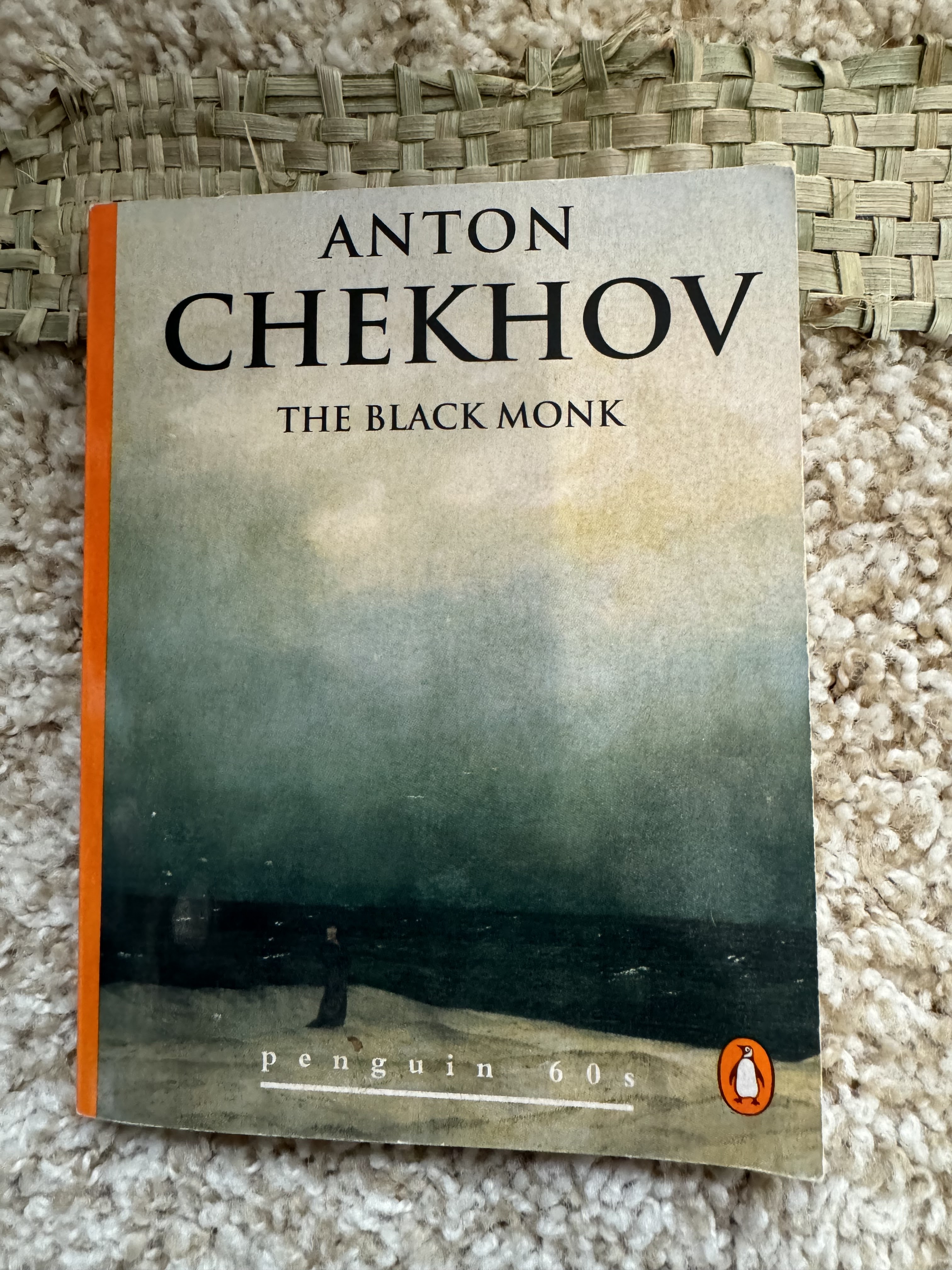
#book: "The Black Monk" by Anton Chekhov

"The Black Monk" by Anton Chekhov is a compelling short story that delves into themes of genius, madness, and the supernatural. 

The narrative centers around Andrey Kovrin, a talented intellectual who, during a mental breakdown, is visited by the apparition of a black-clad monk. This figure convinces Kovrin that he is chosen to achieve great things, blending elements of hallucination with profound philosophical dialogue.


Buy on Amazon:

"The Black Monk"Anton Chekhovhttps://amzn.to/3U28MhW

As an Amazon Associate, I earn from qualifying purchases.


This story is often praised for its intricate portrayal of Kovrin's psychological state and its exploration of the fine line between brilliance and insanity. 

Chekhov masterfully crafts a narrative that questions the nature of reality and the cost of greatness, making it a subject of fascination and analysis in literary circles. 

The story's ambiguous ending and its mix of psychological realism with elements of gothic fiction contribute to its lasting appeal. 

Chekhov captures complex human emotions and situations with brevity and precision.

 "The Black Monk" is recommended for readers interested in psychological fiction and classic literature. It offers a rich tapestry of themes that resonate deeply with Chekhov’s humanistic outlook.


As an Amazon Associate I earn from qualifying purchases.

apt quotation..