Showing posts with label Hawai’i. Show all posts

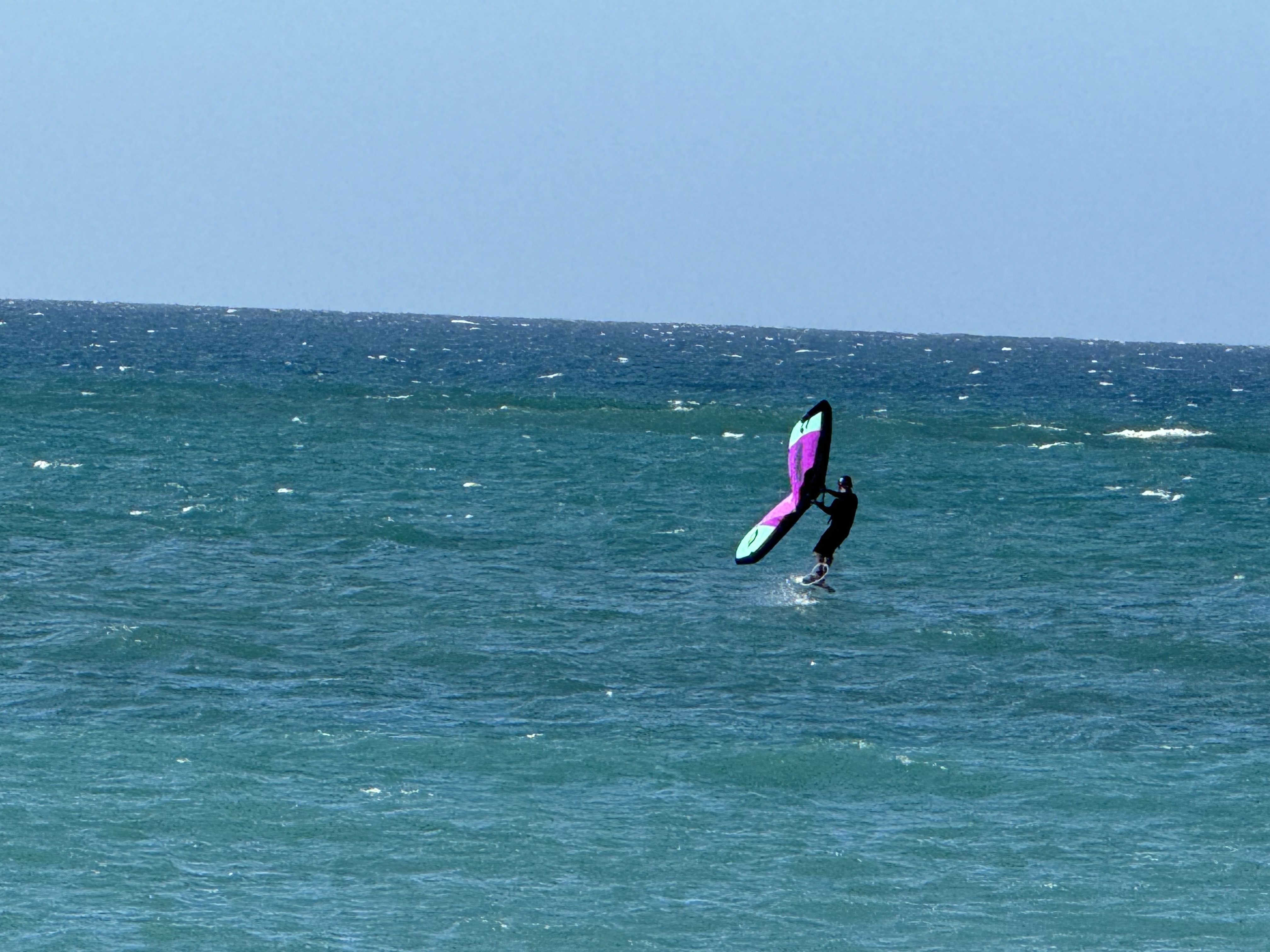
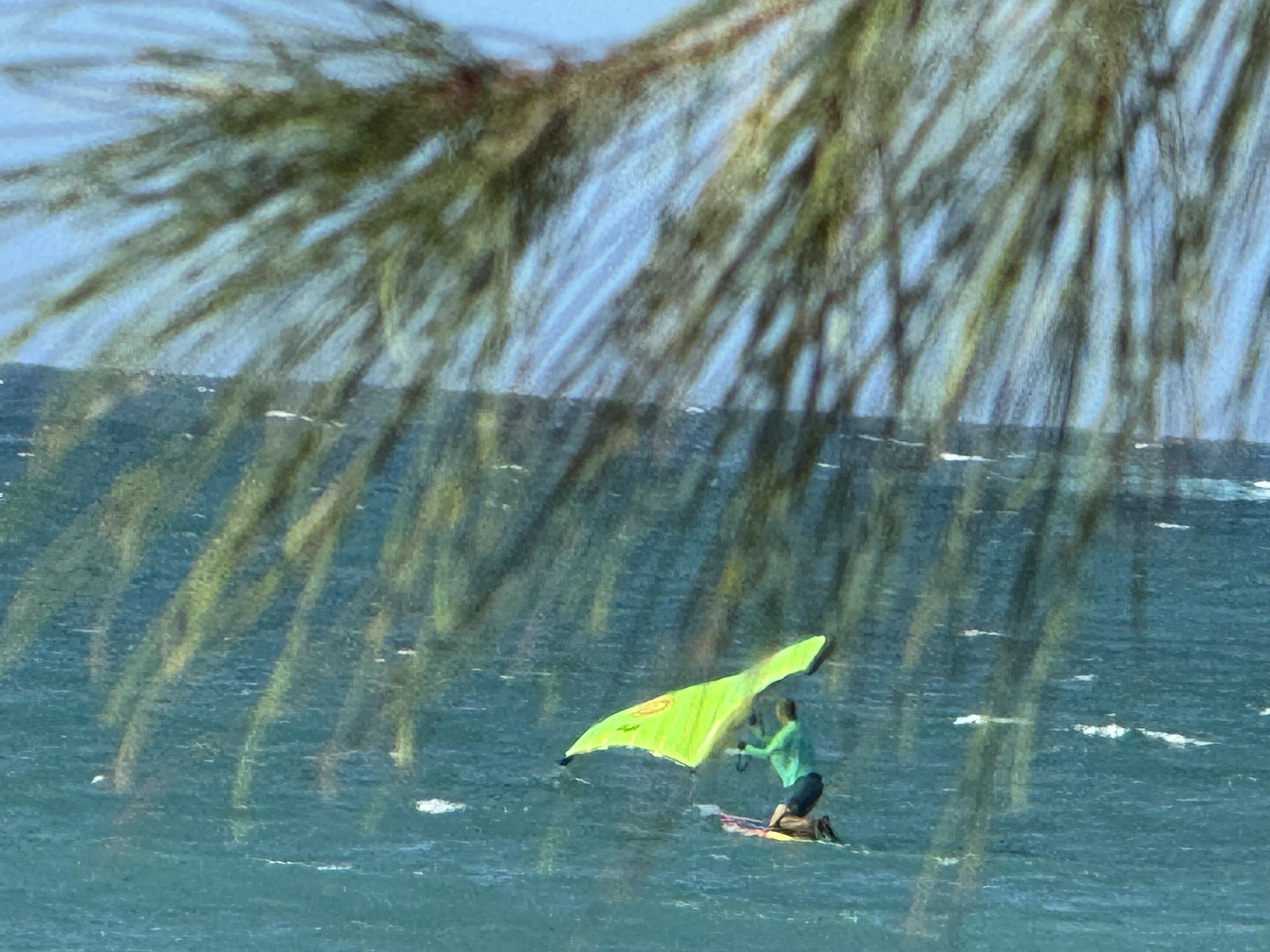
Wind, Kite Surfing, Maui, Hawai’i

 We visited Kanaha Beach and vicinity to witness a wide array of surfing types. 


As an Amazon Associate I earn from qualifying purchases.

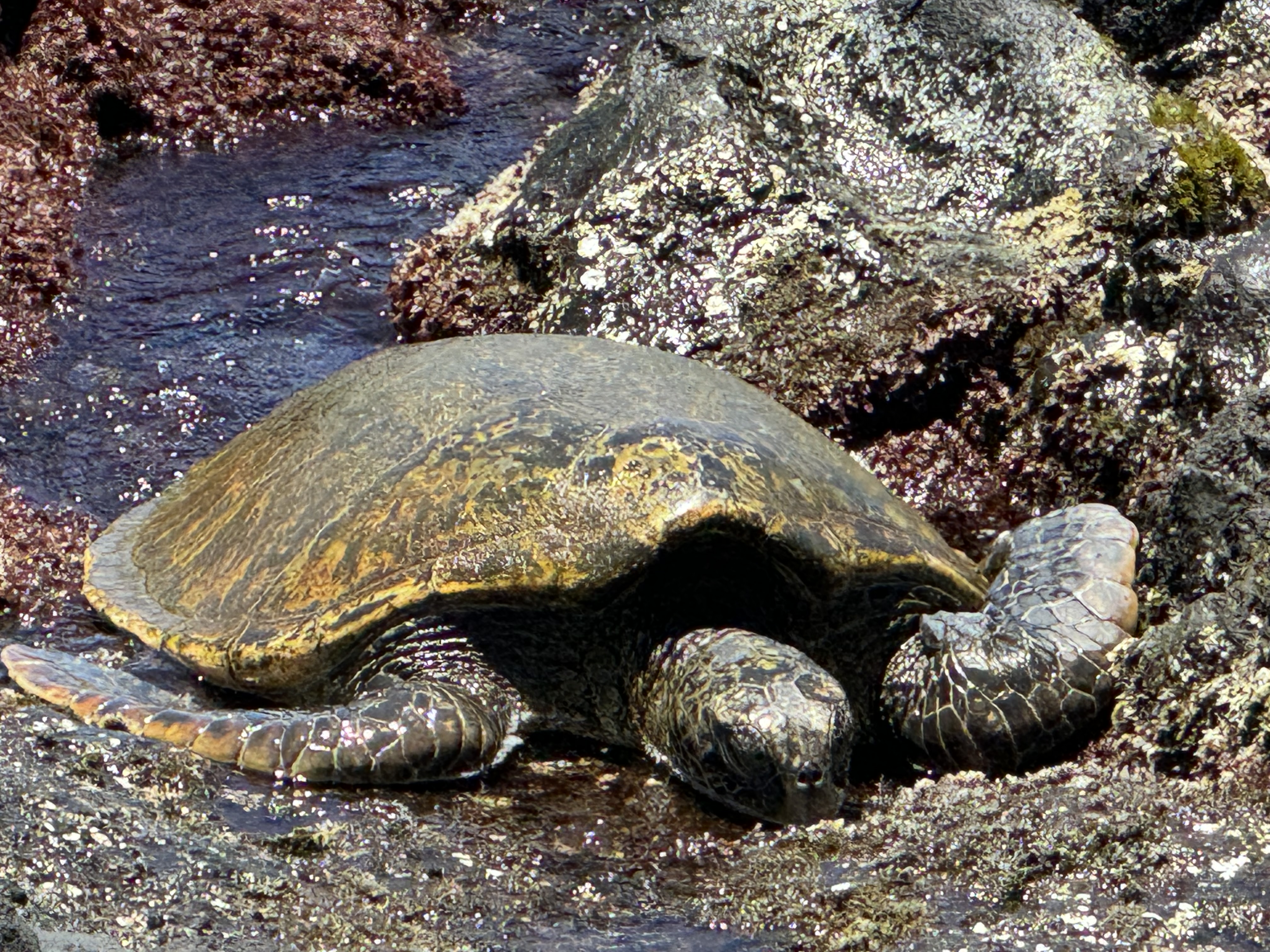
Turtles, Maui, Hawaii

It is no a rare chance to see turtles, in fact in the last few days I have see dozens of them. Absolutely beautiful, calm animals.

You can see the sleeping on the shore, swimming on the reef, or hiding in the sea cave.

My free-diving gear: 


As an Amazon Associate I earn from qualifying purchases.

SCUBA diving refresher preparation

I decided to post materials I studied for my SCUBA diving refresher dive, I believe these are essential when you get back to water in the new season. 


  • Check o-ring for any marks of damage
  • Keep dust cup off after any tank usage
  • Wet to stretch BCD when installing a tank
  • Tank opening towards the head
  • Adjust the horse strap 
  • Tighten the cam-band as tight as possible
  • Attach the first stage of the regulator
  • Second stage on the right-hand side
  • Finger tighten
  • DIN regulators in EU
  • Attach the Low-Pressure Hose LPI to BCD with a pull-back coupling
  • Streamline LPI over the left shoulder strap
  • SPG Computer console streamline on the left bottom bolt snap to hip D-ring, or retractable line
  • The emergency low pressure on the right bottom with a quick release e.g. rubber band 
  • Fully open the tank pressure — tuck SPG and other hoses away from people when opening 
  • Check for leaks (hissing) close if you hear any and purge the pressure on second stage (black) mouthpiece. Gauge should drop to zero (0) pressure.
  • If not leaking, the 80 sq aluminum foot tank (11 L) should have 3000 psi or 200 BAR
  • Inflate BCD fully till overpressure release is heard
  • Check the BCD release for not being sticky
  • Take 3 to 4 breaths with primary second-stage, observe the pressure gauge
  • Take 3 to 4 breaths with backup second-stage, observe the pressure gauge
  • The pressure gauge should NOT fluctuate with each breath
  • Test the water purge valve on secondaries

Pre-Dive Check 
BWRAF (because we aren’t fish)
  • BCD
  • Weights
  • Regulators
  • Final OK


Clearing regulator in water


  • When the regulator is out of mouth, or flooded ALWAYS blow tiny bubbles to remember not to hold air while diving
  • Purging water by
  • Blowing into the regulator 
  • Practice the same in neutral buoyancy 

Recover of the regulator
  • Lean to the right
  • Sweep with the right hand down, behind, up and to the front — the regulator hose should be hooked 
Purging the water from the mask


Giant stride entry to the water


  • Partially inflate BCD to float
  • Make sure you will be able to clear the edge with the tank when you step forward

Buoyancy Control


  • BCD — Buoyancy Compensation Device
  • BCD is not for control, but compensation for depth
  • the buoyancy control should come from body composition, plus wetsuit buoyancy, minus belt weights and breathing control.


As an Amazon Associate I earn from qualifying purchases.

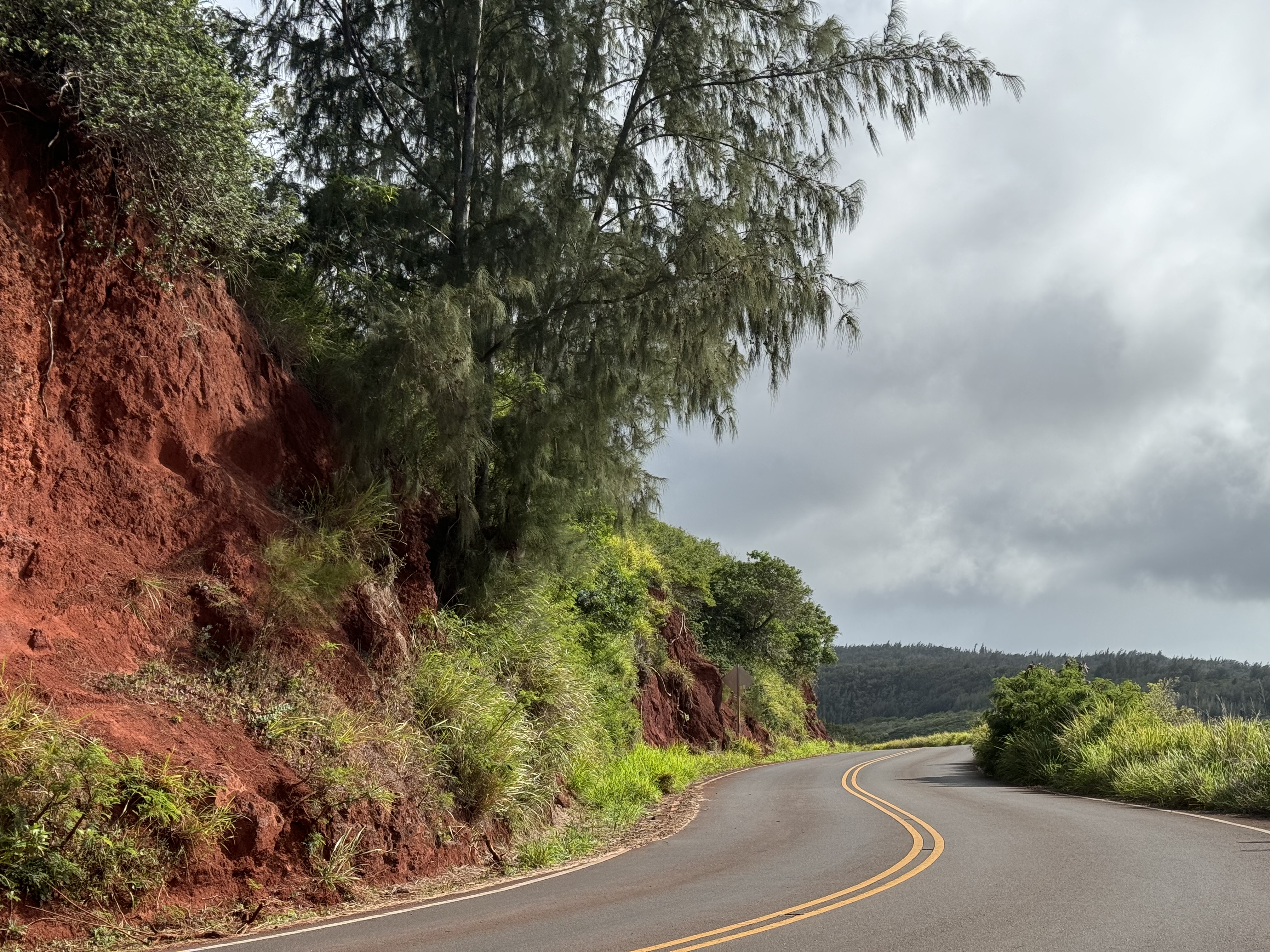
Lava Tube cave, road to Hana, Maui, Hawai’i

 The Hana Lava Tube, also known as Ka'eleku Cave, is the main lava tube cave on the Road to Hana in Maui, HawaiiIt's the largest lava tube in Maui and is a must-see for those interested in geology and caves. The tube is about 1/3 mile long, and visitors can take a self-guided tour that takes about 40 minutes. The rest of the tube is off-limits.

The Hana Lava Tube was formed approximately 960 years ago when molten lava spewed up from underground and flowed toward the ocean. The tube contains rare lava stalagmites, and stalactites that almost seem to be dripping chocolate from the cave ceiling. 


Road to Hana
I like the word “Hana”, or Japanese flower, from my tropical stay in Okinawa where hibiscus was everywhere.
The hibiscus, also known as akabana, is the official flower of Okinawa Prefecture, JapanThe hibiscus symbolizes the island's year-round blooming and is used in many products. 
The hibiscus is a strong, fast-growing tree that can reach 10 feet tall and has straight branches used as hedges around homes. 
For the same reason, hibiscus is often used in graveyards, family tombs. The hibiscus is also known as "After Ages Flower" (Gusohbana).

Hana is also a girl's name with Spanish origins that means "happiness" or "flower". It has many different meanings in different cultures, including: 
  • Japanese: "Flower" or "flower blossom
  • Hawaiian: "Craft" or "work" 
  • Maori: "To shine", "glow", "give out love", or "radiance" 


As an Amazon Associate I earn from qualifying purchases.

Avi Kiriaty art

Avi Kiriaty  


As an Amazon Associate I earn from qualifying purchases.

Maui, Hawai’i


Kids were so happy to find a coconut, unfortunately it is old and dry


I explained to girls that the moist ocean air as it is forced up and around the mountain, cools down with upper elevation and looses the moisture as rain. The other side of the mountain, being in lee of the prevailing trade winds is dry.


The dark yellow sand after each wave looks like a bight-work wood with multiple layers of quality varnish.


These trees were glorious.


Molokini crater is a very turisty place, but still it is my dream to visit and free-dive. Not likely it will happen on this trip as it is a long sail and my crew it not into it.


The following picture is the view from our hotel room in the evening as we arrived.


This wind chart shows how the island created a wind shadow the lee, exactly where we are staying.


Hawaiian is a Polynesian language that shares many features with other Polynesian languages, including grammar, pronunciation, and vocabulary. Hawaiian is closely related to other Polynesian languages, such as Samoan, Marquesan, Tahitian, Māori, Rapa Nui, and Tongan.


common Hawaiian phrases:
  • Aloha: A greeting that can also express kindness, respect, or positive intentions 
  • Mahalo: A fundamental expression of gratitude 
  • 'A'ole pilikia: Means "you're welcome" or "no problem" 
  • A hui hou: Means "until we meet again" 
  • Ke aloha mai: Means "with love" and is often used as an invitation to come in 
  • Aloha kakahiaka: Means "good morning" 
  • Aloha ahiahi: Means "good evening" 
  • Malama Pono: Means "take care to nurture truth and rightousness" 
  • Shaka!: A friendly greeting, parting, or hand sign of approval 
  • Onipa'a: Means "stand firm in your heritage and culture" 
  • Ma'a: Means "accept, understand, adapt


As an Amazon Associate I earn from qualifying purchases.

apt quotation..